Bankruptcy Discharge Rate Map
Among repeat filers, what percentage previously received a discharge? The answer reveals which districts produce lasting relief and which recycle debtors through failed cases.
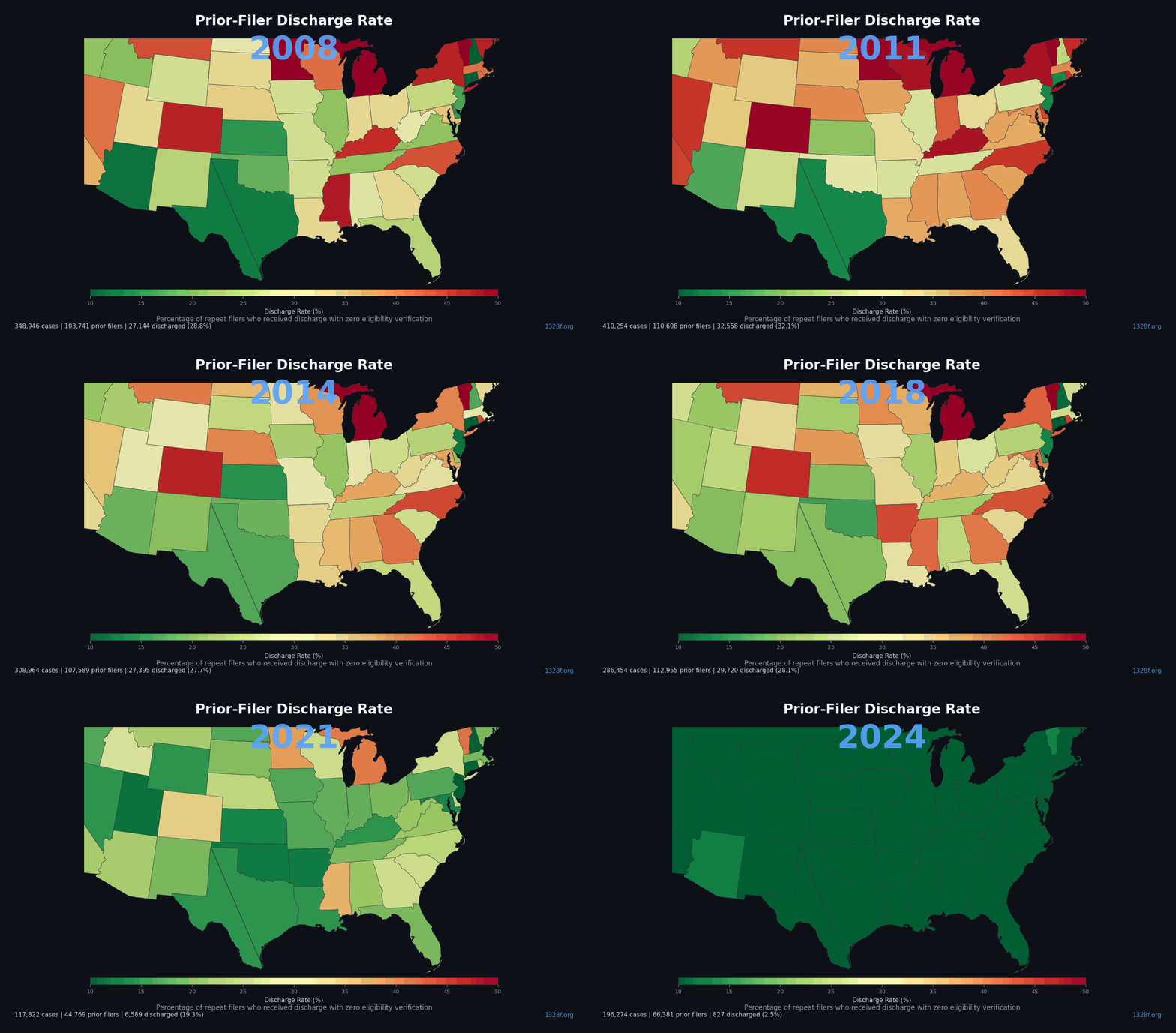
What this map shows
This map answers a specific question: when someone files bankruptcy a second (or third, or fourth) time, did their previous case end in discharge or dismissal?
In districts with high prior discharge rates, repeat filers are people who successfully completed a previous case and are returning because of new financial difficulty. That is the system working as designed. In districts with low prior discharge rates, repeat filers are people whose last case was dismissed, and they are trying again. That is the system failing to deliver lasting relief.
The distinction matters because it separates legitimate repeat use of the bankruptcy system from debtor recycling. A district where 80% of repeat filers had a prior discharge is fundamentally different from one where 80% of repeat filers were previously dismissed. The first suggests new hardship. The second suggests structural failure in how cases are filed and managed.
Under 11 U.S.C. Section 1328(f), a debtor who received a Chapter 13 discharge within two years cannot receive another. This means the prior discharge rate directly affects how many repeat filers face a discharge bar. The screener checks these bars automatically using public case records.
What the prior discharge rate reveals
The prior discharge rate among repeat filers is one of the clearest indicators of whether a district's bankruptcy system is producing lasting results. When a debtor completes a Chapter 13 plan and receives discharge, the process worked as intended: debts were restructured, creditors received payments, and the debtor emerged with a fresh start. When that debtor returns to bankruptcy court years later, it typically reflects new financial difficulty rather than a failure of the system.
By contrast, districts where most repeat filers were previously dismissed are experiencing debtor recycling. These are cases where the initial filing failed, often within the first year, and the debtor is trying again. In some districts, the same debtor may file three, four, or five times before either achieving discharge or giving up entirely. Each failed filing costs the debtor a filing fee (currently $338 for Chapter 13), often an additional attorney retainer, and months of uncertainty.
Regional patterns
The animation reveals a persistent geographic split. Districts in the Northeast, Upper Midwest, and Pacific Northwest tend to have higher prior discharge rates among repeat filers, meaning their repeat filers are more likely to be returning after a prior success. Districts across the Deep South, parts of Texas, and the Mid-South corridor tend to have lower prior discharge rates, meaning their repeat filers are more likely to be cycling through failed cases.
This pattern aligns closely with the dismissal rate map. Districts that dismiss a high percentage of Chapter 13 cases also tend to have repeat filers who were previously dismissed. The correlation is not surprising: when a district's overall system produces more failures, the population of repeat filers will naturally contain more people whose last case failed.
How this connects to Section 1328(f) enforcement
The prior discharge rate has direct implications for enforcement of the Section 1328(f) discharge bar. In districts with high prior discharge rates, a larger share of repeat filers may be within the statutory waiting period and thus ineligible for a new discharge. In a verified sample of cases across multiple districts, the 1328f.org research team found that no court systematically screens for these bars before entering discharge. The free screener on this site was built to fill that gap.
Related maps
- Dismissal Rate Map -- Chapter 13 failure rates by district
- Pro Se Rate Map -- Self-represented filing rates
- Repeat Filer Map -- Prior filing rates and volume
- District Dashboard -- Look up any district
- Discharge Bar -- Federal waiting periods explained