Chapter 13 Dismissal Rate Map
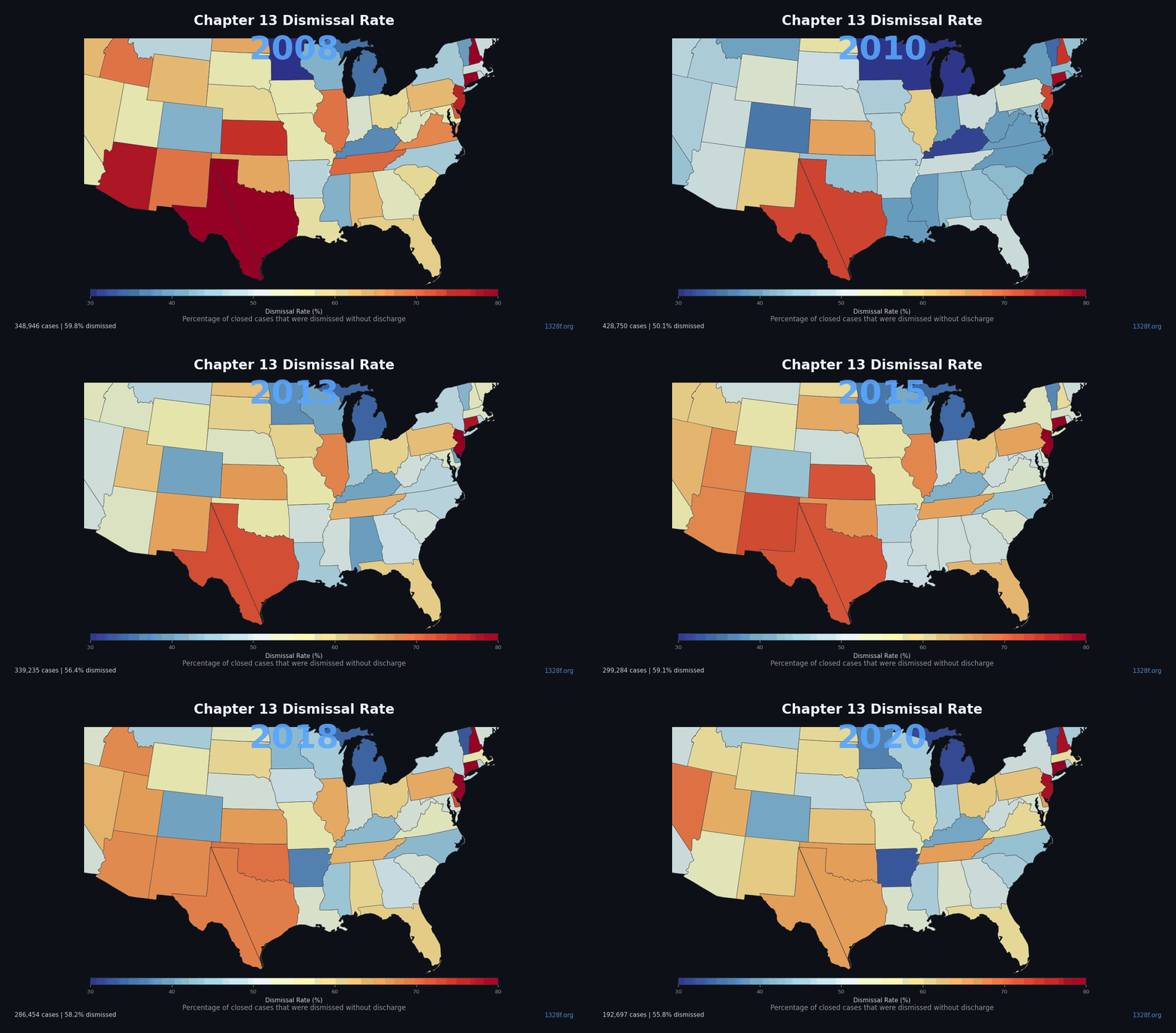
Animated view of how Chapter 13 failure rates have shifted across 94 federal districts from 2008 to 2024.
What this map shows
Each frame of the animation represents one year of Chapter 13 outcomes. The color of each federal district reflects the percentage of cases that were dismissed without the debtor receiving a discharge. Darker shading means more cases failed.
The geographic pattern is persistent: districts in the South and parts of the Midwest consistently show higher dismissal rates than districts in the Northeast and West Coast. But the map also reveals shifts over time. Some districts have improved significantly, while others have gotten worse. The variation is not random. It reflects differences in local court culture, trustee practices, attorney quality, and economic conditions.
A debtor filing Chapter 13 in one district may have a 90% chance of completing the plan. A debtor with identical finances filing in another district may have less than a 20% chance. The map makes this geographic lottery visible.
If the animation is not playing, your browser may not support animated GIFs. The image above shows the most recent year's data as a static snapshot.
How to read the data
Dismissal rate is calculated as the number of Chapter 13 cases closed by dismissal divided by the total number of cases closed in that district for that year. Only cases with at least 3 years of maturity are included, since Chapter 13 plans typically run 3 to 5 years. Cases still pending are excluded to avoid undercounting.
The underlying data comes from the FJC Integrated Database, which contains records for every federal bankruptcy case filed since 2008. The database is maintained by the Federal Judicial Center and is freely available to the public.
Why dismissal rates matter for debtors
A Chapter 13 dismissal is not a neutral outcome. When a case is dismissed, the debtor loses the protection of the automatic stay, which means creditors can resume collection actions, repossessions, and foreclosures. The debtor has spent months making plan payments through the trustee, but those payments are typically refunded to the debtor minus any distributions already made to creditors. The filing fee of $338 is not refundable. Attorney fees, which can range from $2,500 to $5,000 for Chapter 13, are usually paid through the plan and may not be fully recoverable.
For debtors facing foreclosure or vehicle repossession, a dismissed Chapter 13 case can be devastating. The debtor may have entered bankruptcy specifically to cure a mortgage arrearage or protect a car from repossession. If the case is dismissed before those payments are completed, the debtor is back where they started, minus the filing fee and any attorney retainer, and potentially further behind on payments.
District-level factors that drive dismissal
Research on Chapter 13 outcomes has identified several district-level factors that correlate with high dismissal rates. Trustee practices are significant: some trustees move aggressively to dismiss cases at the first missed payment, while others work with debtors to modify plans and maintain cases. Judge-specific confirmation standards also matter, as some courts impose strict feasibility requirements that filter out marginal cases early, while others confirm plans more readily but see higher rates of post-confirmation failure.
Attorney quality is perhaps the most underexamined factor. In districts with high-volume bankruptcy practices that file large numbers of cases with minimal client preparation, dismissal rates tend to be elevated. These practices often rely on standardized plan templates and limited client contact, which can result in plans that do not accurately reflect the debtor's income, expenses, or ability to maintain payments. The on this site allows debtors to compare their attorney's dismissal rate against the district average.
Economic conditions play a role as well. Districts with higher poverty rates, less stable employment, and more volatile local economies tend to see more plan failures. But economic conditions alone do not explain the full range of variation. Districts with similar economic profiles can have dismissal rates that differ by 30 percentage points or more, suggesting that institutional factors, not just debtor circumstances, drive outcomes.
Explore the data
- District Dashboard -- Look up dismissal rates for any of the 94 federal districts
- Chapter 13 Failure Rate -- National statistics and what they mean
- Success Rate by State -- Which districts have the best completion rates
- Pro Se Rate Map -- Where debtors file without an attorney
- Repeat Filer Map -- Prior filing rates by district