Repeat Bankruptcy Filer Map
Where debtors file more than once, and how repeat filing patterns vary across 94 federal districts.
Prior filing rate
The first map shows the percentage of cases in each district where the debtor had at least one prior bankruptcy filing. A high prior filing rate suggests that debtors in that district are cycling through the system repeatedly, often without completing a plan.
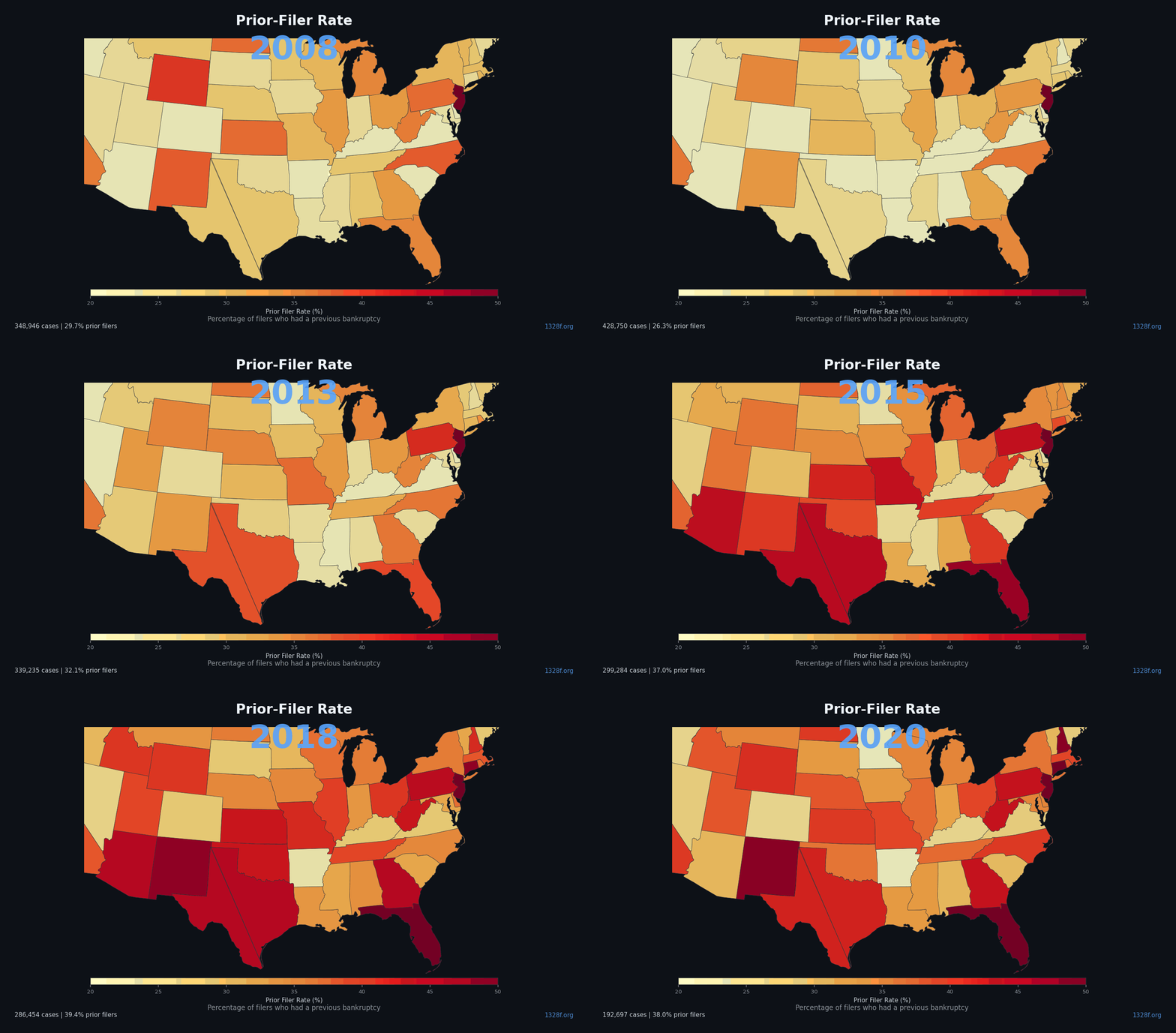
Under 11 U.S.C. Section 1328(f), a debtor who received a Chapter 13 discharge within the past two years cannot receive another. Under Section 727(a)(8), a Chapter 7 discharge bars another for eight years. These waiting periods exist because Congress recognized that repeat filing without completion wastes court resources and harms debtors. The discharge bar screener checks these waiting periods automatically.
Repeat filing volume
The second map shows the absolute volume of repeat filings by district. Districts with both high filing volumes and high prior filing rates represent the largest concentrations of recycling debtors in the federal system.
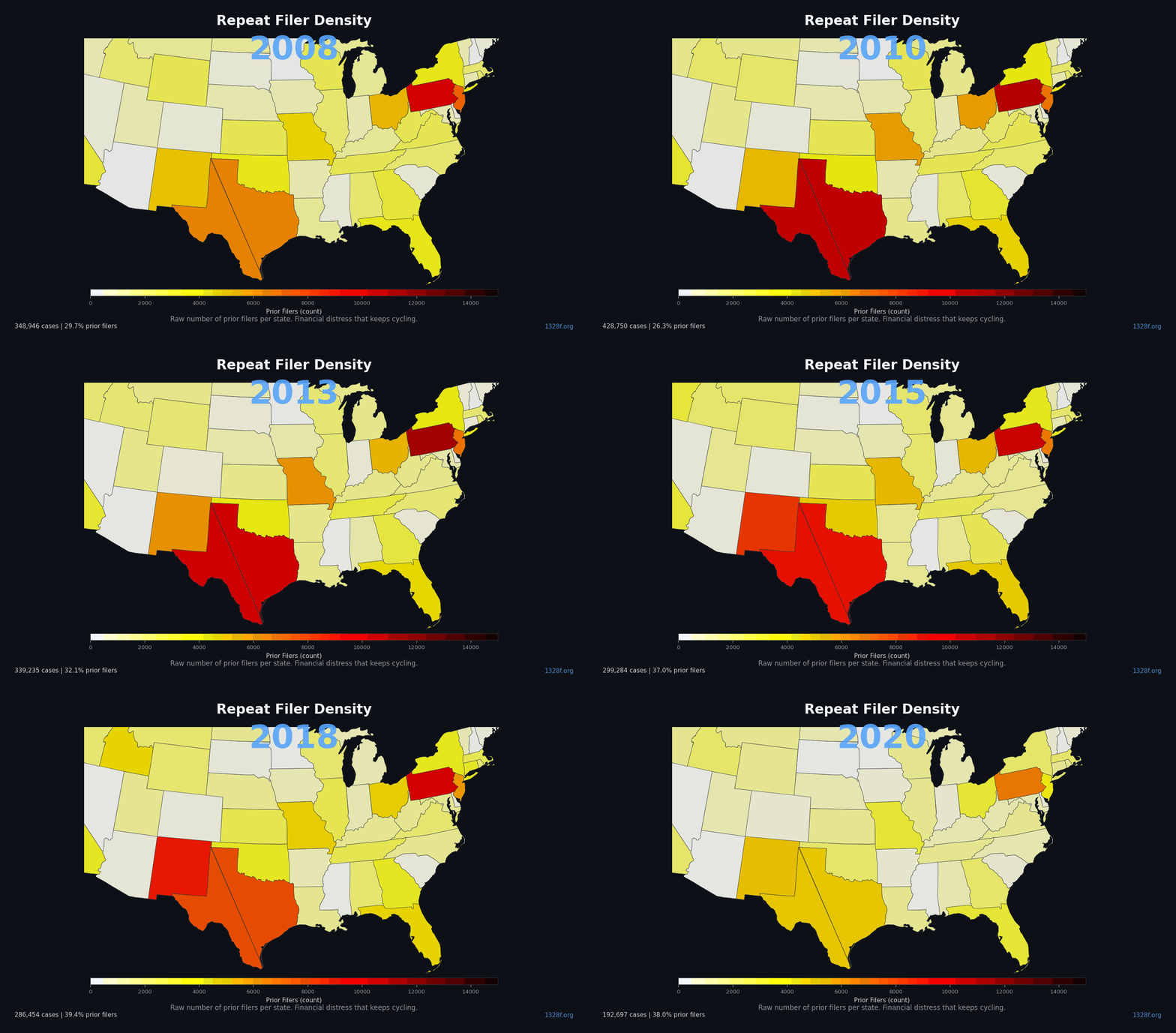
The volume map reveals that repeat filing is concentrated in a relatively small number of high-volume districts. These districts often share characteristics: high Chapter 13 filing rates, high dismissal rates, and attorney practices that file large numbers of cases with low completion rates. The pattern suggests a system that is cycling the same debtors through repeated filings rather than achieving lasting relief.
Why repeat filing rates vary so widely
The prior filing rate ranges from under 10% in some districts to over 50% in others. Several factors explain this variation. Districts with high Chapter 13 usage relative to Chapter 7 tend to have higher repeat filing rates, because Chapter 13 plans fail more often than Chapter 7 liquidations. When a Chapter 13 case is dismissed, the debtor's underlying debt remains, and many debtors refile to regain the protection of the automatic stay under 11 U.S.C. Section 362.
Attorney practices also play a role. In districts where attorneys file large volumes of Chapter 13 cases with minimal client preparation, dismissal rates are higher, and the same clients return to file again. The prior filing rate in these districts reflects not just debtor behavior but systemic incentives: attorneys collect fees on each new filing, trustees administer each new case, and the court processes each new petition, whether or not the debtor has a realistic chance of completing a plan.
The cost of repeat filing
Each bankruptcy filing carries direct costs to the debtor: $338 in filing fees for Chapter 13, plus attorney fees that typically range from $2,500 to $5,000. A debtor who files three times has spent $1,014 in filing fees alone, plus potentially $7,500 or more in attorney fees, without receiving any debt relief. The indirect costs are harder to measure but equally real: months of wage garnishment through plan payments that are ultimately refunded when the case is dismissed, damage to credit reports from multiple filings, and the psychological toll of repeated failure.
For the court system, repeat filing consumes judicial resources. Each case requires a meeting of creditors under Section 341, plan review, and potentially hearings on confirmation and motions to dismiss. When a significant percentage of a district's caseload consists of repeat filers whose cases are likely to fail again, those resources are diverted from debtors who might benefit from the process.
Related maps
- Dismissal Rate Map -- Chapter 13 failure rates by district
- Pro Se Rate Map -- Self-represented filing rates
- Discharge Rate Map -- Prior discharge rates by district
- Can I File Bankruptcy Again? -- Time limits and eligibility
- Discharge Bar -- Federal waiting periods explained