Pro Se Bankruptcy Filing Rate Map
Where debtors file without an attorney, and what it means for outcomes.
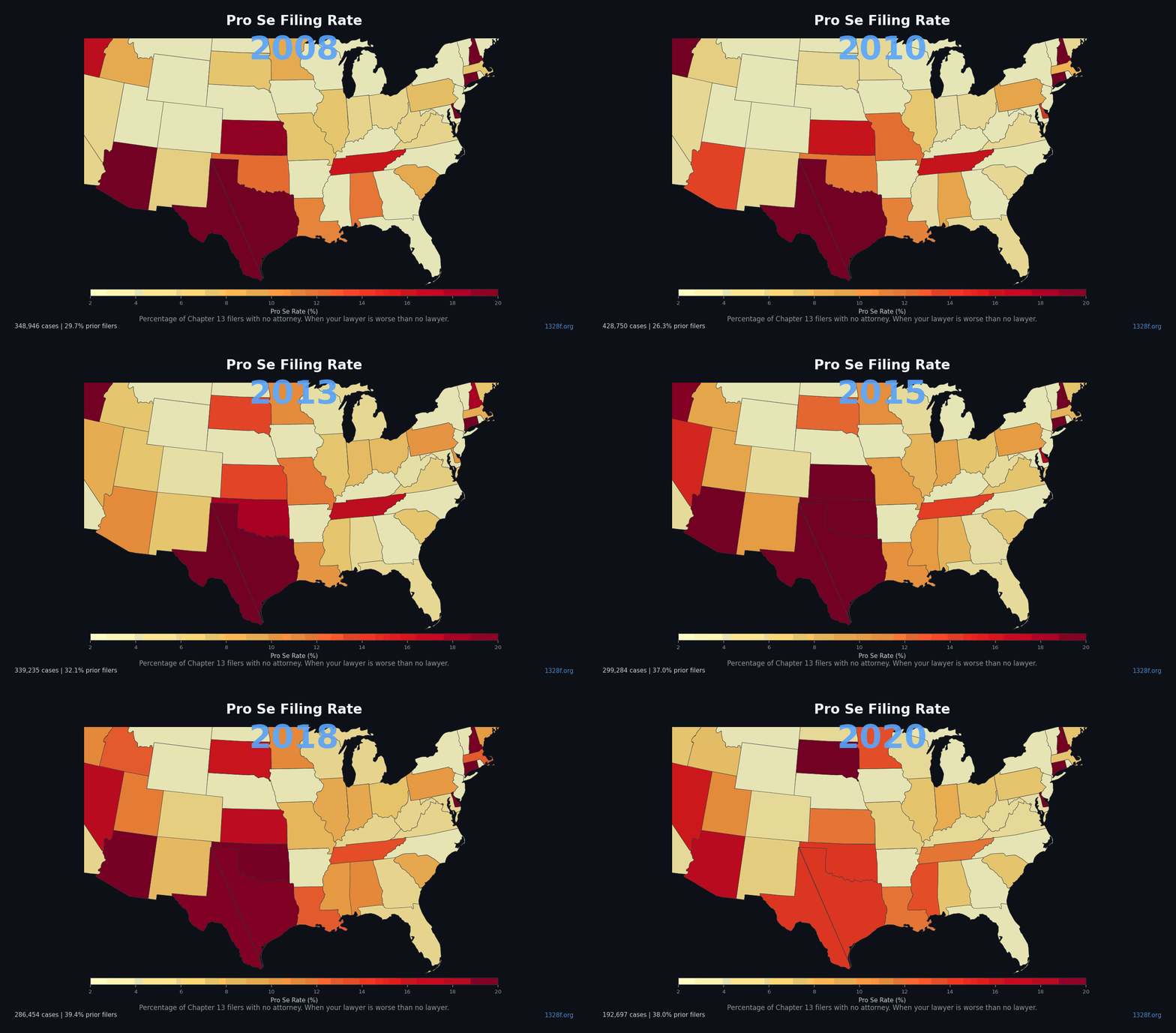
What this map shows
Pro se filers are debtors who file bankruptcy without attorney representation. The rate varies dramatically by district. In some courts, nearly every case has counsel. In others, a significant share of debtors navigate the system alone.
Pro se filing rates matter because they correlate with access to legal services. Districts with high pro se rates may have fewer affordable bankruptcy attorneys, higher attorney fees relative to local income, or cultural factors that discourage hiring counsel. Pro se Chapter 13 cases have substantially lower completion rates than represented cases, because the plan drafting and compliance requirements are complex enough that most people cannot manage them alone.
The animation reveals how pro se rates have shifted over time. In some districts, the rate has climbed as attorney fees have risen. In others, legal aid programs and pro bono clinics have helped bring rates down.
A debtor who files Chapter 13 pro se faces the same compliance requirements, the same trustee motions to dismiss, and the same plan confirmation standards as a debtor with a $4,000 attorney. The system does not adjust for lack of representation.
Geographic patterns in pro se filing
The national pro se rate for Chapter 13 cases has remained relatively stable since 2008, but the district-level variation is extreme. Some districts in the Southern District of Texas and Central District of California see pro se rates exceeding 30%, while districts in Indiana, Alabama, and Kansas consistently fall below 5%. The difference is not explained by debtor income alone.
Several factors drive high pro se rates. In districts where average attorney fees for Chapter 13 exceed $3,500, debtors with limited savings are more likely to attempt filing alone. Rural districts with fewer practicing bankruptcy attorneys also show elevated pro se rates. And in districts with active legal aid clinics or court self-help desks, pro se rates can be higher not because access is poor, but because structured support makes self-representation viable.
Pro se outcomes compared to represented cases
Across all 94 districts, pro se Chapter 13 cases are dismissed at significantly higher rates than represented cases. The FJC Integrated Database shows that pro se filers are roughly three times more likely to have their case dismissed within the first year. The primary failure points are plan confirmation (pro se plans frequently fail to meet the requirements of 11 U.S.C. Section 1325), missed deadlines for filing schedules and statements, and failure to begin timely plan payments to the Chapter 13 trustee.
The completion rate gap narrows only in districts with robust court-operated assistance programs. The Western District of Washington and the District of Colorado, for example, have implemented self-help resources that meaningfully improve pro se outcomes. But these programs are the exception, not the norm.
What this means for debtors
If you are considering filing Chapter 13 without an attorney, check your district's pro se rate and dismissal rate on the district dashboard. A high pro se rate in your district may indicate that the local court has resources to support self-represented debtors. A high pro se rate combined with a high dismissal rate is a warning sign: many people are trying, and many are failing. Before filing pro se, understand that a dismissed Chapter 13 case means you lose your filing fee, may lose protection from creditors, and will need to file again if you still need relief.
Related maps
- Dismissal Rate Map -- Chapter 13 failure rates by district
- Repeat Filer Map -- Prior filing rates and repeat volume
- Discharge Rate Map -- Prior discharge rates by district
- District Dashboard -- Look up any district